
Do Flowers That Repel Mosquitoes Actually Work?
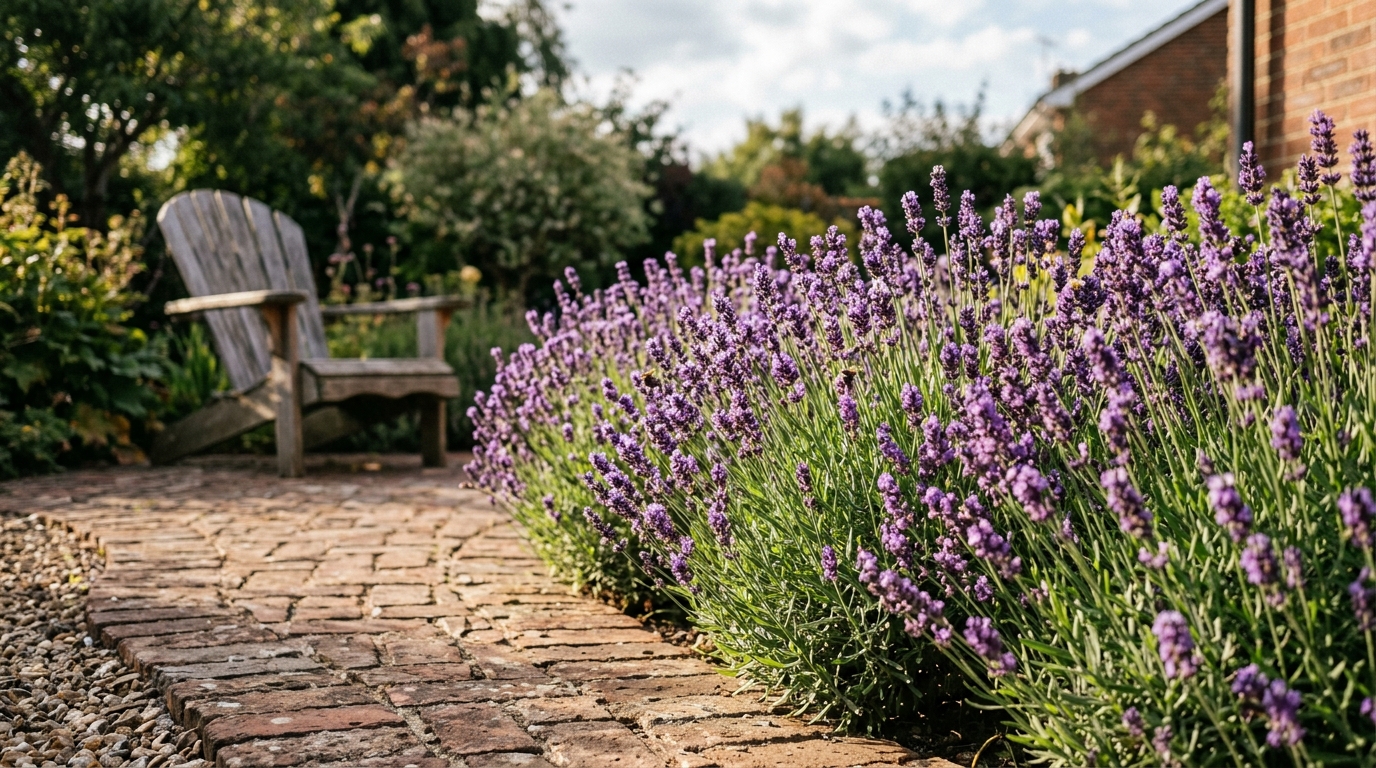
Planting a few pretty flowers that are said to repel mosquitoes and hoping for a mosquito-free yard is great in theory, but just doesn't hold up that well in practice, and understanding why helps you get more out of the plants you do grow. Here's what the evidence actually says about flowers that repel mosquitoes, which ones are worth planting, and where the limits are.
Which Flowers Actually Repel Mosquitoes
A handful of flowering plants produce compounds that mosquitoes find unpleasant enough to avoid. Lavender is probably the most-cited example, and the reputation is earned: the linalool and linalyl acetate in its oils have shown repellent properties in controlled studies. Marigolds contain pyrethrum, a compound extracted commercially for use in insecticides, and their scent is off-putting to mosquitoes at close range. Bee balm, pentas, and floss flower (ageratum) are other commonly recommended options, with ageratum in particular producing coumarin, a chemical mosquitoes dislike.
Catnip flowers less often, but the plant itself deserves a mention here because nepetalactone, its active compound, has outperformed DEET in some laboratory settings. Catmint, a flowering relative, shares some of those properties and makes a tidier garden plant.
What connects all of these is that the repellent effect comes from the plant's oils. That means brushing against or crushing the leaves and flowers releases more of the scent than simply having the plant sitting in a pot a few feet away.
What Plants Can't Do (And Why It Matters)
The honest caveat: a garden border of lavender will not stop mosquitoes from breeding in a clogged gutter or a bucket left out in the rain. Mosquito larvae in water don't care about nearby flowers at all. Standing water is where populations actually grow, and no amount of planting addresses that problem.
Mosquitoes are also drawn to humans through a combination of CO2, body heat, and skin chemistry. A plant that smells bad to a mosquito can slow down that approach, but it won't override the signal your breath and body are broadcasting. Think of repellent plants as reducing foot traffic in your yard rather than closing the door entirely.
Getting More Out of Your Repellent Garden
If you want flowering plants to contribute something real to mosquito control, placement and condition matter. Plant lavender, marigolds, or catmint close to seating areas, doorways, and patios rather than along a back fence. The scent has to be present where people are.
Pair the plants with actual source reduction: empty anything that holds standing water after rain, keep gutters clear, and trim back dense ground cover where mosquitoes rest during the day. That combination does more than either approach alone.
Some homeowners also ask about citronella, which is worth addressing. Citronella grass produces the oil used in candles and torches, but the potted "citronella plant" sold at garden centers is usually a scented geranium with a similar smell and modest repellent effect at best. Real citronella grass is harder to find and requires a warm climate to thrive. It won't kill mosquitoes, but it contributes to a less hospitable environment when grown in quantity near outdoor living spaces.
For a broader look at what works around Atlanta properties specifically, our Atlanta mosquito prevention handbook covers source reduction, timing, and treatment options in more detail.
FAQs About Mosquito-Repelling Flowers
Do mosquito-repellent plants actually work?
Some plants contain natural compounds that mosquitoes find unpleasant, but simply planting them around your yard will not create a mosquito-free barrier. Their repellent properties are generally more noticeable when oils from the leaves or flowers are released. They work best as one small part of a broader mosquito prevention strategy.
What flowers are best for repelling mosquitoes?
Lavender, marigolds, catmint, bee balm, pentas, and floss flower are commonly planted for their potential mosquito-repelling properties. Different plants contain different aromatic compounds, so their effectiveness and range can vary.
Where should I plant mosquito-repelling flowers?
If you want to include these plants in your mosquito prevention efforts, place them near areas where you spend time outdoors. Patios, decks, outdoor seating areas, entryways, and outdoor kitchens are better locations than distant areas of the yard.
Can plants stop mosquitoes from breeding in my yard?
No. Mosquito-repelling plants do not address eggs or larvae developing in standing water. Emptying water-holding containers, clearing gutters, correcting drainage problems, and addressing other breeding sites are much more important for reducing mosquito reproduction.
What should I do if mosquito-repelling plants aren't working?
Start by checking your property for standing water and shaded mosquito resting areas. If mosquitoes remain a problem despite good yard maintenance, professional mosquito control can target breeding and resting areas throughout your property and provide more consistent protection during Atlanta's mosquito season.
When Plants Aren't Enough
If you're doing everything right with your garden and still getting bitten, your yard probably has a breeding site you haven't found, or the pressure is coming from neighboring properties. That's when plants stop being the right tool for the job.
Our mosquito spraying service treats resting sites across your property on a schedule that keeps populations down through the season. For properties where an automated approach makes more sense than repeated visits, a mosquito misting system runs automatically and can be set to treat at dawn and dusk when mosquitoes are most active. We also offer an organic insecticide option for homeowners who want effective control with a different product profile.
If you're in the Atlanta area and want to talk through what would actually work to control mosquitoes in your yard, reach out to us, and we'll take a look. Sometimes the fix is simpler than you'd expect.
Contact Tuxedo Mosquito Control Today
A member of our team will be in touch shortly to confirm your contact details, or address questions you may have.